
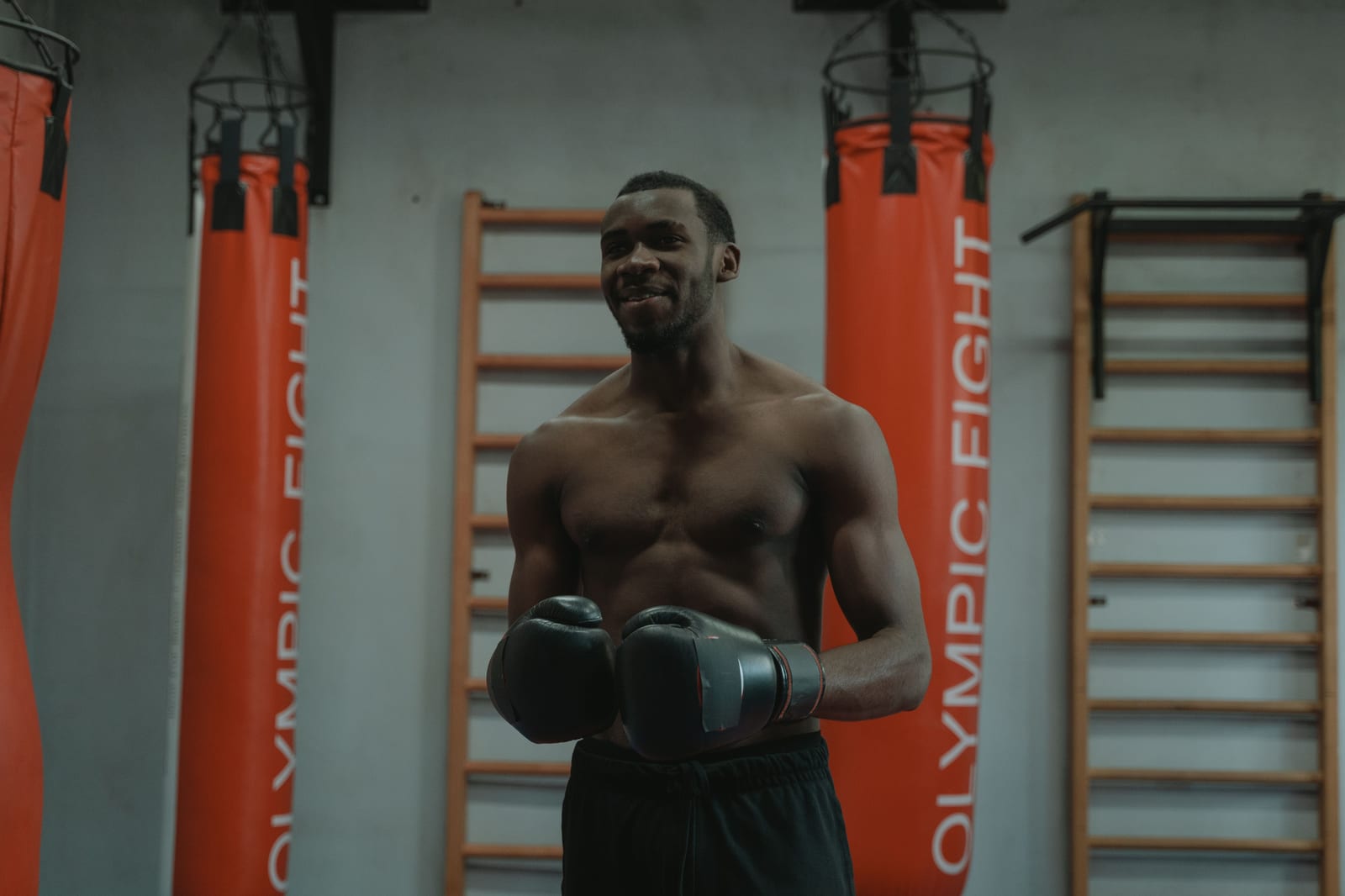
A Moment of Realisation
Imagine standing on the precipice of your greatest achievement. The crowd's roar is deafening, the lights blinding, and the anticipation is palpable. You are an Olympic athlete, and the moment you have trained for your entire life is finally here. Yet, amidst the excitement, a quiet voice whispers, "What if I don’t perform as expected? What if I let everyone down?"
This internal dialogue is not uncommon. As high performers, Olympic athletes often grapple with immense pressure and expectations. The journey to the 2026 Games is not solely about physical preparation; it also demands a robust mental and emotional framework. In this article, I will explore essential wellbeing strategies for Olympic athletes that can enhance performance and resilience during this pivotal time.
How do you prepare not just your body, but also your mind?
It’s about cultivating a holistic approach to wellbeing that encompasses both mental clarity and emotional stability.
Why Do Wellbeing Strategies Matter for Athletes?
Athletes are often viewed through the lens of their physical prowess. However, the psychological and emotional aspects of performance are equally critical. The pressure to succeed can lead to anxiety, burnout, and even a decline in performance.
The Importance of Mental Health in Sports
Recent studies have shown that mental health significantly impacts athletic performance. A study published in the Journal of Sports Sciences highlighted that athletes who engaged in mental training techniques demonstrated improved focus and reduced anxiety levels. This makes it clear that wellbeing strategies are not just beneficial; they are essential.
| What We See | What Might Be Underneath It |
|---|---|
| High levels of anxiety before competitions | Fear of failure or letting others down |
| Burnout from constant training | Lack of emotional support or self-care |
| Overemphasis on winning | Insecurity about self-worth tied to performance |
What It Costs — Relationships, Presence, Self
The relentless pursuit of excellence often comes at a cost. Relationships may suffer as athletes become consumed with training schedules and performance metrics. Presence in the moment can be overshadowed by the fear of what comes next.
The danger is missing what's here while you're looking for it.
This is a reminder that while striving for greatness, it’s crucial to remain grounded in the present.
The Impact on Relationships
Athletes may find themselves isolated, as their dedication to training can limit social interactions. This isolation can lead to feelings of loneliness and disconnect. It’s important to foster relationships that provide emotional support and understanding.
The Cost of Neglecting Wellbeing
Neglecting mental and emotional wellbeing can result in:
- Increased stress levels
- Reduced performance
- Emotional instability
- Strained relationships
What the Research Says
Research supports the need for a comprehensive approach to athlete wellbeing. A study conducted by the International Olympic Committee in 2023 found that athletes who incorporated mental health strategies into their training saw a marked improvement in both performance and personal satisfaction. This underscores the importance of integrating wellbeing strategies into the athlete's training regimen.
Mental resilience is as crucial as physical strength.
Athletes must prioritise their mental health to achieve peak performance.
The Two Lives Theory Reframe
At Two Lives Theory, we believe in the concept of duality: the first life represents the athlete’s current identity, often defined by external achievements, while the second life embodies their deeper self, seeking alignment and clarity. This reframing can be particularly beneficial for Olympic athletes navigating the pressures of competition.
How to Integrate the Two Lives
- Awareness: Recognise the internal dialogue that shapes your experience. Are you defining yourself solely by your performance?
- Integration: Merge your athletic identity with your personal values and beliefs. What does success mean to you beyond medals and accolades?
- Alignment: Strive for a balance between your competitive drive and your emotional wellbeing. How can you support both aspects of your life?
If you always need something next, what happens when there isn't?
This question invites athletes to explore their motivations and the underlying fears that may drive their behaviour.
Essential Wellbeing Strategies for Olympic Athletes
As we prepare for the 2026 Games, let’s delve into specific wellbeing strategies that athletes can adopt to enhance their mental and emotional resilience:
1. Mindfulness and Mental Training
Mindfulness practices, such as meditation and breathing exercises, can help athletes manage stress and enhance focus. Engaging in daily mindfulness can lead to:
- Improved concentration
- Reduced anxiety
- Enhanced emotional regulation
2. Emotional Support Systems
Building a robust support network is crucial. This can include:
- Coaches who understand the emotional aspects of performance
- Mental health professionals specialising in sports psychology
- Fellow athletes who share similar experiences
3. Setting Realistic Goals
While ambition drives performance, setting realistic, achievable goals can reduce pressure. Athletes should focus on:
- Short-term goals that contribute to long-term success
- Goals that prioritise personal growth over competitive outcomes
4. Physical Wellbeing
Physical health is intertwined with mental health. Athletes should:
- Maintain a balanced diet
- Prioritise sleep and recovery
- Incorporate cross-training to prevent burnout
5. Reflection and Journaling
Encouraging athletes to maintain a reflective journal can be beneficial. This practice allows them to:
- Process their thoughts and emotions
- Track their progress
- Identify patterns that may need addressing
6. Professional Guidance
Engaging with a mentor or coach who focuses on emotional and mental wellbeing can provide athletes with tailored strategies to navigate their unique challenges. A mentor can help them:
- Develop coping mechanisms for stress
- Foster a sense of accountability
- Create a personalised wellbeing plan
A Moment to Reflect
As you consider these strategies, take a moment to reflect:
- What are the primary sources of stress in your training?
- How do you currently prioritise your mental health?
- What steps can you take to create a more balanced approach to your training?
My Final Thoughts
Preparing for the 2026 Olympic Games is not just about physical readiness; it’s about cultivating a holistic approach to wellbeing that encompasses mental and emotional resilience. By adopting these wellbeing strategies for Olympic athletes, you can enhance your performance and navigate the complexities of high-stakes competition with clarity and strength.
How did this feel for you?
If you recognised yourself somewhere in this Journal, you can Request Mentorship and we can explore this further.
Speak soon,
Basim
