
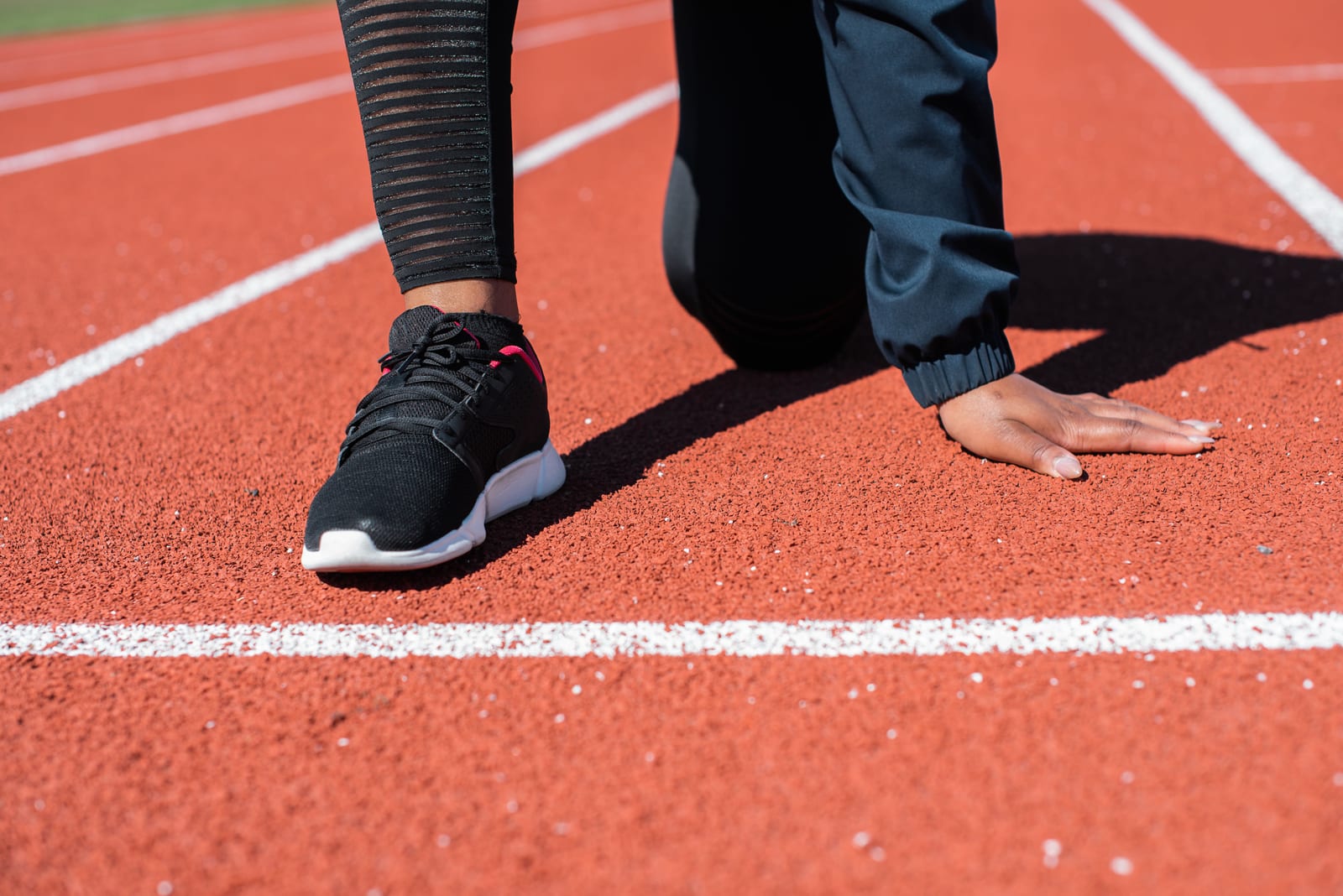
Top Mindset Strategies for Athletes Preparing for Fall Competitions
As athletes gear up for the competitive season in 2026, the importance of mental preparation cannot be overstated. Mindset strategies for athletes play a crucial role in enhancing performance, fostering resilience, and achieving peak results. In this article, we will delve into effective mindset techniques that can help athletes navigate the challenges of competition, bolster their mental strength, and ultimately achieve their goals.
Understanding the Importance of Mindset in Sports
The mindset of an athlete is often the differentiating factor between success and failure. While physical training is essential, the mental aspect of sports can significantly influence performance. A strong mindset can help athletes:
- Overcome Adversity: Every athlete faces challenges, whether it’s an injury, a loss, or the pressure of competition. A resilient mindset allows athletes to bounce back and stay focused on their goals.
- Enhance Focus: Maintaining concentration in high-pressure situations is vital. A well-trained mind can help athletes stay present and avoid distractions during competitions.
- Boost Confidence: Confidence is key to performance. Athletes with a strong mindset believe in their abilities, which translates to better execution of skills in competition.
1. Visualisation Techniques
Visualisation is a powerful tool that can significantly impact an athlete’s performance. By mentally rehearsing their routines and envisioning success, athletes can prepare themselves for the challenges ahead. Here’s how to effectively use visualisation:
- Create a Mental Movie: Spend time visualising every detail of the competition, from warm-up routines to executing skills flawlessly. Picture the environment, the sounds, and the emotions associated with success. This mental rehearsal can create a sense of familiarity and confidence.
- Use All Senses: Engage all senses during visualisation. Imagine the feel of the equipment, the smell of the arena, and the sound of the crowd. This multi-sensory approach makes the visualisation more vivid and impactful.
- Practise Regularly: Incorporate visualisation into daily training routines. Even just a few minutes of focused visualisation can help solidify skills and boost confidence.
2. Mindfulness Meditation
Mindfulness meditation is a technique that encourages athletes to focus on the present moment, helping to reduce anxiety and improve concentration. Here’s how athletes can incorporate mindfulness into their training:
- Set Aside Time for Mindfulness: Dedicate a few minutes each day to practise mindfulness. This can be done through guided meditation apps or simply by sitting in silence and focusing on breath.
- Focus on Breathing: During mindfulness sessions, concentrate on breathing patterns. This helps ground athletes, allowing them to release tension and refocus their minds when needed.
- Embrace the Process: Mindfulness teaches athletes to appreciate the journey rather than just the outcome. This shift in perspective can reduce performance pressure and enhance enjoyment of the sport.
3. Setting SMART Goals
Setting clear, achievable goals is essential for maintaining motivation and focus throughout the competitive season. The SMART framework—Specific, Measurable, Achievable, Relevant, Time-bound—can help athletes clarify their objectives:
- Specific: Define clear and precise goals. Instead of saying, “I want to improve my performance,” specify what that means, such as “I want to lower my 5K time by 30 seconds.”
- Measurable: Establish criteria for measuring progress. Use metrics like times, scores, or personal bests to track improvement.
- Achievable: Ensure that goals are realistic. While it’s important to challenge oneself, setting unattainable goals can lead to frustration and burnout.
- Relevant: Align goals with personal aspirations and values. This relevance enhances motivation and commitment.
- Time-bound: Set deadlines for achieving goals. This creates a sense of urgency and helps athletes stay focused on their training.
4. Positive Self-Talk
The language athletes use when speaking to themselves can greatly influence their performance. Positive self-talk can enhance confidence and reduce anxiety. Here are some strategies to cultivate positive self-talk:
- Identify Negative Thoughts: Pay attention to negative self-talk patterns. Recognising these thoughts is the first step towards changing them.
- Replace Negativity with Positivity: For every negative thought, replace it with a positive affirmation. For example, change “I can’t do this” to “I am capable and prepared.”
- Create a Mantra: Develop a personal mantra that resonates with the athlete’s goals. Repeating this mantra during training and competitions can reinforce a positive mindset.
5. Building a Support Network
Having a strong support network can significantly impact an athlete’s mental wellbeing and performance. Surrounding oneself with positive influences is crucial:
- Connect with Coaches: Engage with coaches who provide constructive feedback and encouragement. A supportive coach can help athletes navigate challenges and stay focused on their goals.
- Lean on Peers: Build relationships with teammates who share similar goals. Sharing experiences and challenges can foster camaraderie and mutual support.
- Seek Professional Guidance: Consider working with a sports psychologist or mentor who specialises in performance psychology. Professional guidance can provide tailored strategies for mental preparation.
6. Embracing Failure as a Learning Tool
Failure is an inevitable part of any athlete’s journey. How athletes respond to setbacks can determine their long-term success:
- Shift Perspective: Rather than viewing failure as a negative outcome, see it as an opportunity for growth. Analyse what went wrong and identify areas for improvement.
- Practise Resilience: Develop resilience by reflecting on past failures and the lessons learned. This practice can help athletes build a stronger mindset for future challenges.
- Celebrate Small Wins: Recognise and celebrate progress, no matter how small. This positive reinforcement can help maintain motivation and a growth-oriented mindset.
7. The Power of Routine
Establishing a pre-competition routine can help athletes mentally prepare and build confidence. Routines create a sense of familiarity and control:
- Create a Consistent Warm-Up: Develop a warm-up routine that includes physical and mental preparation. This can help athletes transition from training mode to competition mode.
- Incorporate Mindset Practices: Include visualisation, breathing exercises, or positive affirmations in the routine. This holistic approach can enhance mental readiness.
- Stick to What Works: Find routines that resonate personally and stick with them. Consistency breeds confidence and can help athletes feel more in control during competitions.
8. Staying Flexible and Adaptable
While it’s essential to have a plan, staying flexible and adaptable is equally important. Competitions can be unpredictable, and athletes must learn to adjust their mindset accordingly:
- Practise Adaptability: Train in various conditions and scenarios to build adaptability. This could involve simulating competition pressures during practice.
- Focus on What You Can Control: Athletes should concentrate on aspects they can control, such as their effort, attitude, and preparation, rather than external factors.
- Embrace Change: Learn to embrace change and uncertainty. This mindset can reduce anxiety and improve overall performance.
Conclusion
As athletes prepare for the fall competitions in 2026, adopting effective mindset strategies is crucial for enhancing performance and achieving success. By incorporating techniques such as visualisation, mindfulness, positive self-talk, and building a support network, athletes can bolster their mental resilience and clarity. Remember, a strong mindset is not just about winning; it’s about the journey, growth, and the pursuit of excellence.
For personalised mentorship that focuses on strengthening your mindset and aligning your goals, request mentorship with Two Lives Theory® today!
FAQ Section
What are mindset strategies for athletes?
Mindset strategies for athletes are techniques and practices designed to enhance mental resilience, focus, and overall performance. These include visualisation, mindfulness, positive self-talk, and goal-setting, which help athletes navigate the challenges of competition.
How can visualisation improve athletic performance?
Visualisation improves athletic performance by allowing athletes to mentally rehearse their routines and envision success. This practice creates familiarity, boosts confidence, and helps athletes prepare for various scenarios they may encounter during competitions.
Why is mindfulness important for athletes?
Mindfulness is important for athletes as it helps reduce anxiety, enhance focus, and promote emotional stability. By practising mindfulness, athletes can stay present, manage stress, and improve their overall mental wellbeing.
How can I build a support network as an athlete?
Building a support network involves connecting with coaches, teammates, and mentors who provide encouragement and constructive feedback. Engaging with others who share similar goals can foster camaraderie and mutual support, enhancing overall performance.
What should I do if I experience failure in competition?
If you experience failure in competition, it’s crucial to shift your perspective and view it as an opportunity for growth. Analyse what went wrong, learn from the experience, and celebrate small wins to maintain motivation and resilience.
For more insights and personalised mentorship, don’t hesitate to request mentorship with Two Lives Theory® today!
