WHY WE FEEL LIKE WE'RE FALLING BEHIND
Who Decided Where You Were Supposed to Be by Now?
There are moments in life where it can feel like everybody else is moving forward while we're somehow standing still.
Someone you know buys a house. Another person gets married. A friend announces they're having a child. Someone younger than you builds a successful business, gets promoted or achieves something you've been working towards for years.
And even if you're genuinely happy for them, another thought can appear underneath it:
“Should I be further ahead by now?”
I've seen this in people from completely different walks of life.
Someone can be doing well financially and still feel behind because someone else earns more. An athlete can have a career most people would dream about and still compare themselves with someone who achieved more at a younger age. Someone can have a good relationship and still question it because everybody around them seems to be getting married.
The feeling is real.
But that doesn't always mean the measurement is.
Where Did Your Timeline Come From?
Through coaching and NLP, one thing I often come back to is the beliefs we carry without questioning where they came from.
By thirty I should have this.... By forty I should be there.
At this stage of my career I should be earning more, I should have met somebody by now... I should know what I'm doing with my life.
But who created those rules?
Some come from family. Some come from culture. Some come from friends, social media or the version of life we imagined when we were younger.
And some were created by us.
The problem is that life doesn't always follow the timeline we created before we had enough experience to know who we were going to become.
We change.
Our priorities change. Relationships change. Careers change and sometimes something we once wanted stops meaning as much to us.
Yet we can still judge ourselves against an old plan.
“You can feel behind in life without actually being behind. Sometimes you're just measuring your life against a timeline that was never really yours.”
Research Insight: Comparison Changes the Way We See Ourselves
Psychology has studied social comparison for decades.
One of the main ideas is that we often understand how we're doing by comparing ourselves with other people, especially when there isn't a clear way to measure something.
That can be useful.
Seeing somebody achieve something can inspire us, show us what's possible or give us a reference point.
But comparison can also distort the way we see our own progress.
We usually compare what we know about our own life with what we can see of somebody else's.
We know our doubts, failures, delays and uncertainty.
We often see their result.
Social media has made that even easier because we're surrounded by moments that look like progress without seeing everything behind them.
The business announcement doesn't show the years it nearly failed.
The relationship photo doesn't show what happens when the camera is gone.
The achievement doesn't tell us whether the person actually feels fulfilled.
We can end up comparing two completely different realities as if they're the same thing.
High Performance Doesn't Remove the Feeling
Success doesn't automatically stop comparison.
In some cases it gives us more things to compare.
An entrepreneur reaches one level and starts looking at somebody running a bigger company. An athlete improves their performance and immediately notices the person ahead of them. Someone earns more money and enters a circle where everybody seems to have more.
The reference point keeps moving.
That's why I don't think the answer is reaching some point where we've finally achieved enough to stop feeling behind.
If our sense of progress depends entirely on where other people are, there will nearly always be somebody further ahead.
At some point we have to decide what our own definition of progress actually looks like.
When Feeling Behind Makes Us Rush
I think this becomes especially important when comparison starts affecting major decisions.
People can rush relationships because they're scared of being single at a certain age.
They can stay in careers they don't want because starting again feels like going backwards.
They can force businesses to grow too quickly because they feel they should already be further ahead.
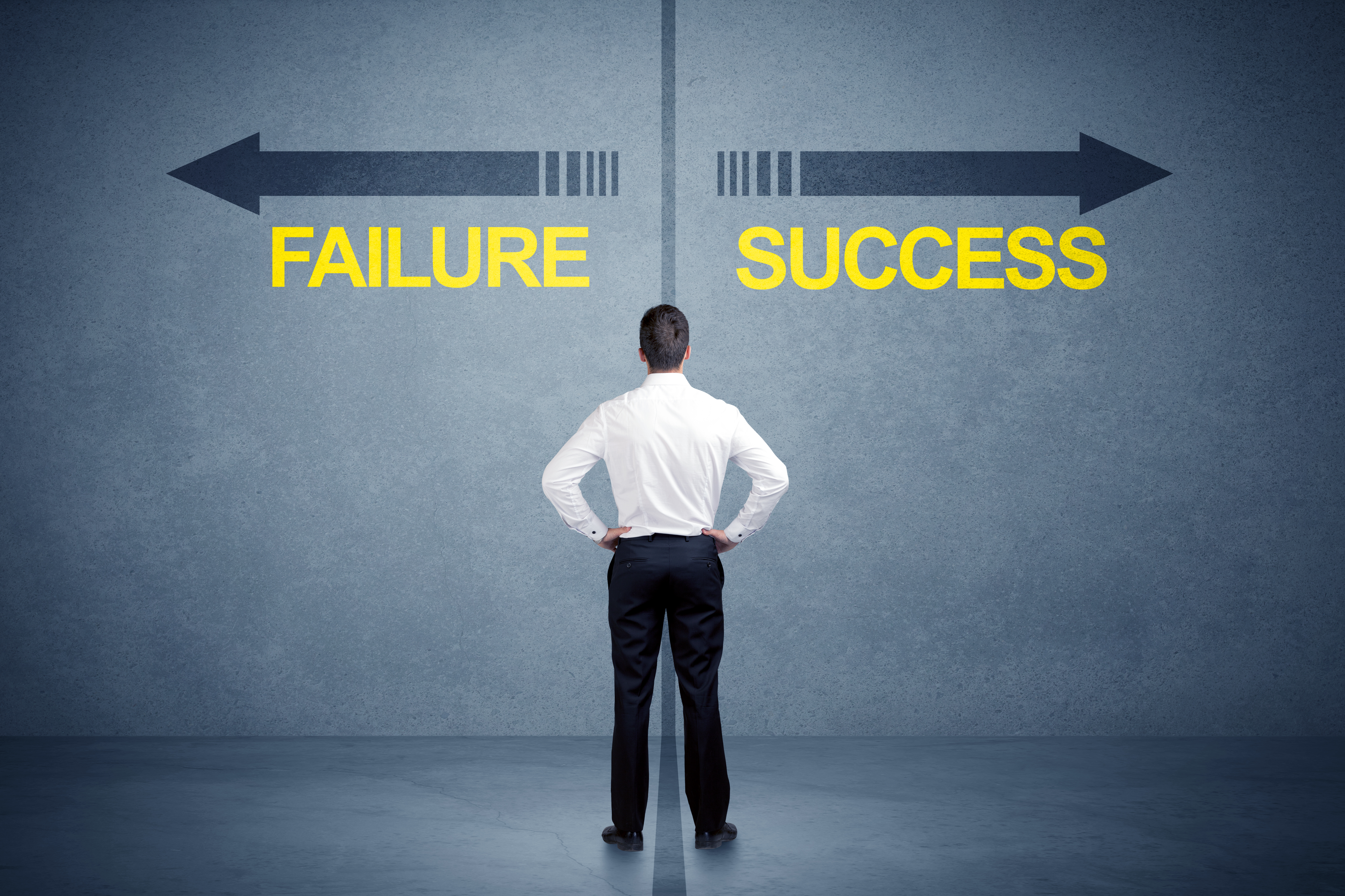
Sometimes the fear of falling behind can push us into a life we never actually chose.
There is a difference between knowing you want something and feeling like you should want it because everybody else seems to have it.
Learning to recognise that difference can save us years.
Two Lives Theory: Your Next Chapter Doesn't Need Their Timeline
This connects strongly with Two Lives Theory because change often creates a period where life doesn't look as clear as it once did.
You might leave a career and temporarily earn less.
You might end a relationship and suddenly feel like you're starting again.
You might change direction in business or realise the goals you chased for years no longer mean the same thing.
From the outside, that can look like going backwards.
But sometimes we're not behind at all... We're rebuilding.
The first version of our life might have been built around what we thought we should achieve.
The next can be built with more awareness of what actually matters to us.
That doesn't mean we stop wanting more... It means the direction matters as much as the speed.
A Moment to Reflect
Think about an area of your life where you currently feel behind.
- Who am I comparing myself with?
- Where did my idea of where I “should” be come from?
- Do I genuinely want what I'm comparing myself against?
- If nobody else's timeline existed, what would progress look like for me right now?
Sometimes the pressure changes when we realise we're measuring ourselves against a race we never consciously chose to enter.
My Final Thoughts
I don't think comparison is something we completely remove from being human.
We will notice what other people are doing.
Sometimes it will motivate us and sometimes it will make us question ourselves.
But somebody else's progress doesn't automatically mean we've failed to make our own.
Life isn't one straight timeline where everybody is supposed to reach the same milestones at the same age.
People change careers at forty.
They fall in love later than they expected.
They start businesses after years of doing something completely different.
They rebuild after losing something they thought would last forever.
And sometimes the chapter that feels late while we're living it becomes the chapter that changes everything afterwards.
You don't always need to move faster. Sometimes you just need to make sure you're still moving towards a life you actually want.
One Last Thing...
How did this feel for you?
If you've been comparing your life with where you thought you would be by now or with the people around you, you can {Request Mentorship} and we can explore what's underneath that.
Sometimes the question isn't “How do I catch up?”
It's “What am I actually trying to catch up to?”
I look forward to connecting.
Speak soon,
Basim
