The Pressure of Being the Person Everyone Depends On
The Weight That Nobody Sees
One of the conversations I find myself having most often with entrepreneurs, leaders, athletes and elite competitors has very little to do with performance.
It’s usually about pressure.
Not the pressure of delivering results or making difficult decisions. They’re used to that.
It’s the quieter pressure that rarely gets spoken about.
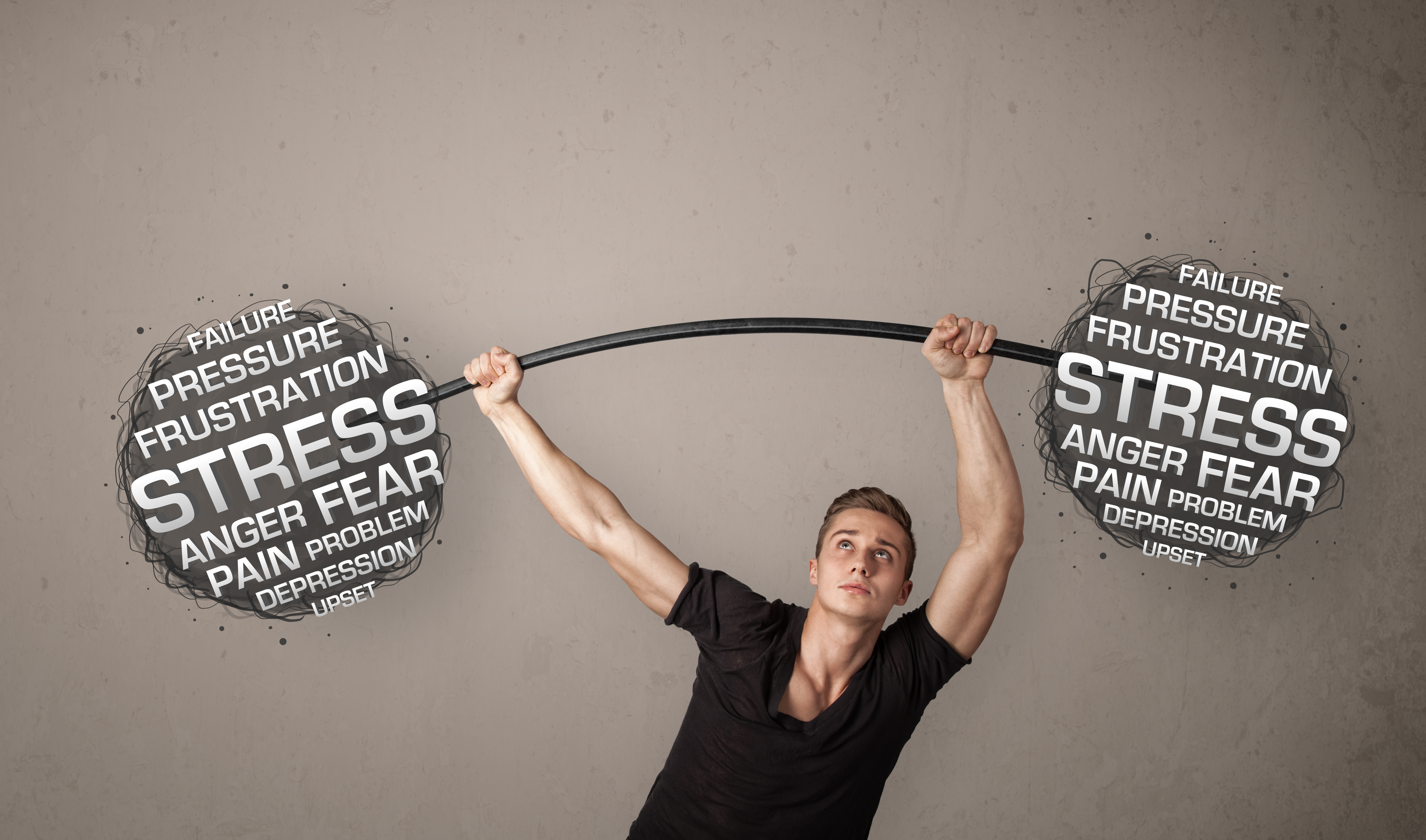
The pressure of feeling like you always have to hold everything together.
When you’re the founder of a business, your team looks to you for certainty. When you’re a leader, people expect answers. When you’re an athlete, supporters expect consistency. When you’re playing poker professionally, the decisions you make can affect not only your bankroll but also your confidence, your reputation and the people around you.
Over time, it’s easy to fall into the belief that because other people depend on you, you’re not allowed to have moments where you need someone too.
The strongest people often become the people who feel they have the least permission to struggle.
Strength Can Become a Mask
Being dependable is a wonderful quality.
It’s one of the reasons many high performers succeed. People trust them. They stay calm under pressure. They take responsibility when others step back.
But I’ve noticed that these same qualities can quietly become part of a person’s identity.
At some point, being reliable stops being something you do and starts becoming someone you believe you have to be.
That’s where the pressure changes.
Instead of asking for support, you tell yourself you’ll deal with it later.
Instead of sharing how you’re feeling, you convince yourself everyone else has bigger problems.
Instead of letting people see your uncertainty, you work even harder to appear in control.
From the outside, everything still looks steady.
Internally, however, the weight keeps building.
Something I’ve Noticed
After working with high performers for many years, I’ve realised that the people who carry the most responsibility are often the people who spend the least amount of time looking after themselves.
Not because they don’t value their wellbeing. Because they believe someone else always needs them more.
That might sound like leadership... Sometimes it is, but sometimes it’s simply self-neglect disguised as responsibility.
I’ve seen business owners who never truly switch off because they feel guilty taking a day away from the company they built.
I’ve met athletes who continue pushing through physical and emotional exhaustion because they don’t want to let their team down.
I’ve worked with leaders who carry every problem themselves because asking for help somehow feels like weakness.
Different careers. The same pattern... The belief that being strong means carrying everything alone.
When Strength Starts Costing You
The difficult part is that this rarely shows up overnight. It often builds quietly over months or years.
You begin sleeping a little less, you become more reactive.
You’re physically present with the people you love, but mentally you’re still solving tomorrow’s problems.
The things that once helped you recover—exercise, hobbies, time with family, simple moments of stillness—gradually disappear because there’s always something that feels more urgent.
You may recognise some of these signs:
- You struggle to switch off, even when you have time.
- You find it difficult to ask for help.
- You feel responsible for everyone else’s wellbeing.
- You carry stress quietly because you don’t want to worry other people.
- You rarely stop to ask yourself how you’re actually doing.
None of these make you weak.
If anything, they suggest you’ve been carrying more than most people realise.
Strength Doesn’t Have to Mean Carrying It Alone
One of the ideas behind Two Lives Theory® is that every stage of growth asks something different of us.
The version of you that built the business, led the team, reached the top of your sport or developed resilience through adversity deserves respect.
That version got you here.
But every new chapter asks a different question.
Not, "Can you carry more?"
But, "Can you carry it differently?"
Sometimes growth isn’t about becoming stronger.
Sometimes it’s about recognising that real strength also includes honesty, vulnerability and allowing other people to support you.
I’ve seen incredible transformations happen when people stop believing they have to be everything for everyone.
Not because they become less capable, but because they become more human.
A Question Worth Sitting With
If nobody expected you to have all the answers...
If nobody expected you to always be the strong one...
Who would you allow yourself to become?
Sometimes the heaviest burden isn’t the responsibility you’re carrying, it’s the identity you’ve built around never putting it down.
Final Thoughts
Leadership, ambition and responsibility are qualities to be proud of.
They help us build meaningful careers, support the people we care about and make a positive impact on the world.
But they should never come at the expense of your own wellbeing.
The people who inspire me most aren’t those who never struggle.
They’re the ones who have the courage to acknowledge when they’re carrying too much and the wisdom to understand that asking for support doesn’t make them weaker.
It allows them to keep leading in a healthier, more sustainable way.
Perhaps that’s what the next chapter of growth is really asking of you.
Not to become stronger.
But to realise you were never meant to carry it all alone.
If this resonates with you and you feel ready to explore that next chapter, I’d love to help you navigate it.
You can {Request Mentorship} and discover what it looks like to grow without carrying the weight of the world on your own.
Speak Soon,
Basim
