
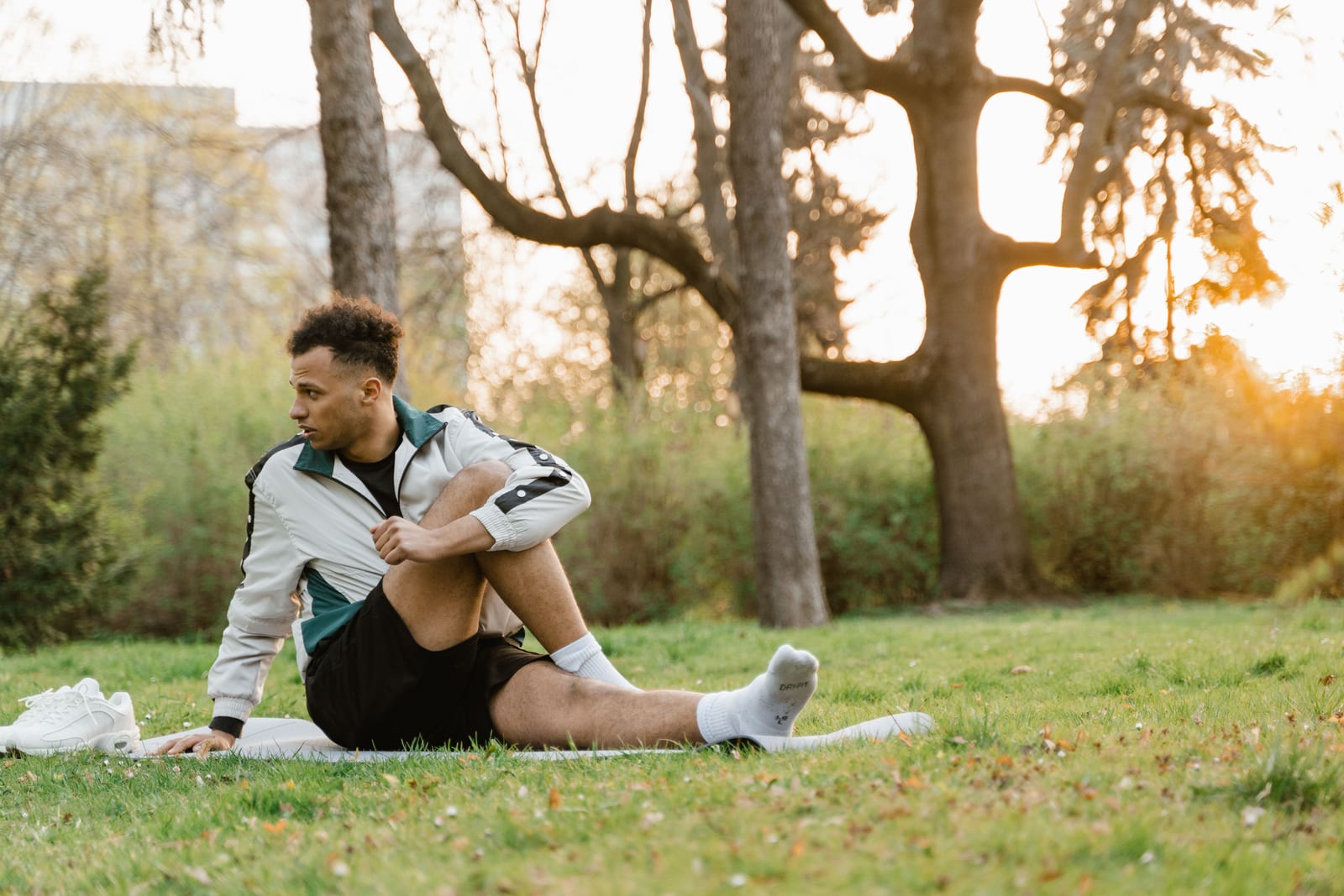
Stress Management Techniques for Athletes in the Off-Season
As the competitive season comes to a close, athletes often find themselves in a unique phase known as the off-season. While this period is essential for physical recovery and skill refinement, it can also bring about unexpected stressors. The transition from the high-octane demands of competition to a quieter routine can feel disorienting. For many, the challenge lies not just in maintaining physical fitness, but also in managing mental clarity and emotional stability. This is where effective stress management for athletes becomes crucial in 2026.
In this post, I will share tailored stress management techniques specifically designed for athletes navigating the complexities of the off-season. From mindfulness practices to structured downtime, these strategies aim to help you maintain focus and clarity as you prepare for your next competitive cycle.
Why Does Stress Occur During the Off-Season?
The off-season is often perceived as a time for relaxation and recuperation. However, many athletes experience heightened stress during this period for several reasons:
- Loss of Routine: The structured schedules that define the competitive season often dissipate, leading to feelings of aimlessness.
- Pressure to Improve: Athletes may feel the pressure to use this time effectively, leading to anxiety about their performance in the upcoming season.
- Identity Crisis: The transition from being an athlete in competition mode to an off-season routine can create an identity shift that may feel unsettling.
| What We See | What Might Be Underneath It |
|---|---|
| Feeling lost without a schedule | A need for structure and purpose |
| Overtraining or pushing too hard | Fear of losing progress or competitiveness |
| Anxiety about future performance | Doubts about self-worth and identity |
Understanding these underlying factors is the first step in effectively managing stress during the off-season. By recognising what is at play, you can better prepare to address these issues head-on.
What It Costs — Relationships, Presence, Self
Ignoring the signs of stress can lead to significant costs, both personally and professionally. For athletes, the repercussions of unmanaged stress can manifest in various ways:
- Strained Relationships: The pressure to perform can lead to irritability and withdrawal from loved ones, resulting in strained relationships.
- Lack of Presence: Constantly thinking about future competitions can rob you of the joy of the present moment, making it difficult to enjoy downtime.
- Diminished Self-Worth: When performance becomes the measure of self-worth, any perceived failure can lead to feelings of inadequacy.
Athletes must remember that their value extends beyond their performance on the field.
Recognising these costs can motivate you to adopt healthier stress management practices, allowing you to foster stronger relationships, maintain presence, and build a more positive self-image.
What the Research Says
Research indicates that effective stress management is essential for optimal performance and overall well-being. A study published in the Journal of Sports Psychology highlights that athletes who engage in mindfulness-based stress reduction techniques experience lower levels of anxiety and improved focus during competition.
Mindfulness practices not only help in managing stress but also enhance overall performance by fostering a greater sense of control and clarity. This aligns perfectly with the goals of athletes in the off-season, as maintaining mental clarity is crucial for effective training and preparation.
The Two Lives Theory Reframe
At Two Lives Theory, we believe in the concept of integrating your current identity with the evolving self. The off-season presents a unique opportunity to reflect on your journey and realign your goals.
- Awareness: Acknowledge the stress you are feeling and the factors contributing to it. This is the first step in managing it effectively.
- Integration: Use this time to integrate lessons learned from the previous season into your training and personal development.
- Alignment: Align your off-season goals with your long-term vision, ensuring that your efforts are directed towards meaningful progress.
What if you could turn this off-season into a period of profound growth?
How can you use this time to strengthen not just your body but also your mind?
Stress Management Techniques for Athletes
Here are several practical techniques that can aid in stress management for athletes during the off-season:
1. Mindfulness and Meditation
Mindfulness practices, including meditation, can significantly enhance your mental clarity and emotional stability. Setting aside just a few minutes each day to focus on your breath or engage in guided meditation can help ground you and reduce anxiety. Consider using apps like Headspace or Calm to assist you in establishing a daily practice.
2. Structured Downtime
While it might be tempting to fill your off-season with training, it’s equally important to schedule downtime. Allow yourself to engage in activities unrelated to your sport, such as reading, spending time with friends, or exploring new hobbies. This not only aids in recovery but also helps you recharge mentally.
3. Goal Setting
Use the off-season to set specific, measurable goals that are not solely performance-based. Focus on personal development, such as improving your emotional intelligence or enhancing leadership skills. This shift in focus can alleviate the pressure and provide a sense of accomplishment.
4. Physical Recovery Techniques
Incorporate recovery techniques such as yoga, massage, or physiotherapy into your routine. These practices not only aid in physical recovery but also promote relaxation and stress reduction. Listening to your body during this period is crucial for long-term success.
5. Social Connections
Maintain strong connections with teammates and friends. Sharing your experiences and feelings can alleviate the sense of isolation that often accompanies the off-season. Consider organising team-building activities or participating in community events to strengthen these bonds.
6. Professional Support
If you find yourself struggling to manage stress effectively, consider seeking professional support. A mentor or coach can provide guidance tailored to your unique situation, helping you navigate the emotional landscape of the off-season. At Two Lives Theory, we offer private mentorship specifically designed for high performers, focusing on mental clarity and emotional stability.
A Moment to Reflect
As you navigate the off-season, take a moment to reflect on your experiences and feelings. Here are three questions to consider:
- What are the primary stressors I am facing during this off-season?
- How can I incorporate mindfulness practices into my daily routine?
- What personal goals can I set that align with my long-term vision?
My Final Thoughts
The off-season is not merely a break from competition; it is an opportunity for growth and reflection. By employing effective stress management for athletes techniques, you can maintain mental clarity and focus, ensuring you are well-prepared for the next competitive cycle.
If you recognised yourself somewhere in this Journal, you can Request Mentorship and we can explore this further.
Speak soon,
Basim
