
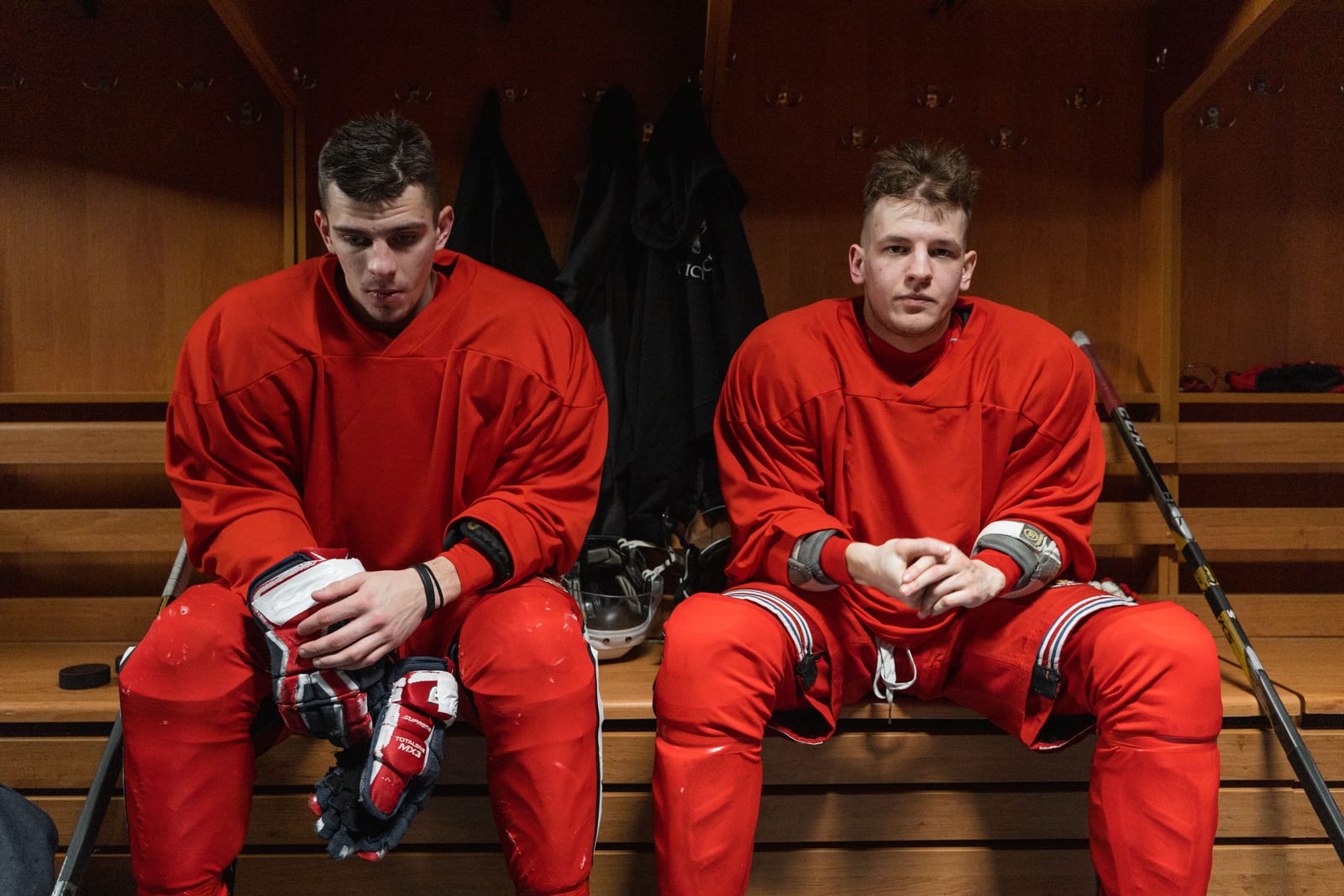
Navigating Post-Competition Mental Shifts: A Guide for Athletes
The final whistle goes, the last race is done, or the season wraps with everyone else already looking ahead. Yet for many athletes, the hardest part is not the competition itself but the quiet that follows it. That is where post-competition mental strategies matter most, because the mind does not always know how to come down gracefully after months of pressure, structure, and adrenaline.
I have seen this pattern often in high performers. On the outside, there is relief; on the inside, there can be restlessness, flatness, irritability, or a strange sense of loss. You may have spent so long orienting yourself around performance that the end of the season feels less like rest and more like disorientation.
That does not mean anything is wrong with you. It often means your system has been carrying a great deal for a long time. Once the noise drops, what has been held in place can begin to surface...
If the season has ended, why does your mind still feel like it is on the pitch?
If you are no longer competing every week, what happens to the part of you that learned to stay switched on?
Why do athletes struggle after competition ends?
Competition gives athletes something powerful: rhythm. There is a timetable, a target, a reason to push, and a clear external measure of progress. When that structure ends, the nervous system does not automatically understand that the pressure has lifted.
For some athletes, the post-season feels like a drop in identity as much as a drop in intensity. If your self-worth has become closely tied to output, then a quieter period can expose what was previously hidden by momentum.
| What We See | What Might Be Underneath It |
|---|---|
| Restlessness after the season | The body still expecting pressure |
| Low mood or flatness | A loss of structure and identity |
| Irritability with others | Unprocessed fatigue or emotional load |
| Constantly chasing the next goal | A need to feel useful, valued, or safe |
The challenge is not simply to “relax more”. It is to recognise what your system has been doing to help you survive the demands of elite sport. When you can see that clearly, you can begin to respond with more strength and less self-judgement.
Sometimes the end of a season is not the problem.
Sometimes it is the first moment you have had to notice how much pressure you were carrying.
What do post-competition mental strategies need to address?
The best post-competition mental strategies are not just about staying positive. They need to work on several levels at once: mental, emotional, relational, and physical. That is because competition affects the whole person, not only the athlete.
In my work, I often think in three phases: Awareness, Integration, and Alignment. Awareness is noticing what is actually happening. Integration is making sense of it without rushing. Alignment is rebuilding a way of being that supports both performance and personhood.
In practice, that can look like this:
- noticing the emotional crash instead of dismissing it
- naming the change in routine rather than pretending nothing has shifted
- identifying what you miss about the season, not just what you are relieved to leave behind
- separating your identity from the result of one competition or one campaign
- creating a more grounded rhythm before the next target appears
Athletes often want to move immediately to the next phase. I understand that. But if you skip Awareness and Integration, you may carry the same internal tension into the next season, just in a different shirt.
How can you manage the mental drop after a big event?
The first step is to slow down the narrative in your head. If you come off a major event and immediately ask, “What now?” in a panicked way, your mind may interpret stillness as danger.
A steadier question is, “What is actually happening in me right now?” That question creates space. It allows you to notice whether you are tired, disappointed, relieved, emotionally flat, or all of the above.
Practical ways to manage the drop include:
- keeping a simple post-event routine for sleep, food, movement, and recovery
- reducing unnecessary social pressure in the first few days after competition
- journalling one honest paragraph a day about what you felt, not just what you achieved
- speaking with someone who can help you think clearly rather than simply telling you to push on
- avoiding major life decisions while your system is still settling
This is where a lot of athletes benefit from a grounded outside perspective. A mentor can help you separate signal from noise, especially when your own internal voice becomes overly critical or rushed. If that is something you are exploring, you may also find Basim’s approach and the mentorship method useful.
There is nothing wrong with wanting what is next. The danger is missing what is here whilst you are looking for it.
What can the post-season cost if it is ignored?
When athletes ignore the mental shift after competition, the cost is rarely dramatic at first. It usually appears in subtler ways. Concentration becomes harder, relationships feel more distant, and the body remains tense long after the event has passed.
Sometimes the biggest cost is that you never really arrive anywhere. You leave one season in a state of strain, then enter the next one already depleted. That pattern can quietly shape leadership, confidence, and even how you relate to your own progress.
This can show up as:
- snapping at people who did nothing wrong
- struggling to enjoy time off because it feels unearned
- becoming overly attached to the next selection, contract, or result
- feeling disconnected from family, friends, or teammates
- chasing certainty when what you actually need is steadiness
There is also a relational cost. If you are always mentally in the next phase, the people around you may feel like they are living alongside your pressure rather than your presence. Over time, that can affect trust, intimacy, and the quality of your leadership.
I have seen how powerful it can be when an athlete realises that recovery is not only physical. Emotional recovery matters too. So does the way you interpret the season you have just lived through. If you want to explore how that kind of deeper transition can work, you may find the FAQ page helpful.
What does the research suggest about transitions and performance?
There is a useful body of sport psychology research on transition periods, identity change, and the psychological demands that follow major competitive cycles. I am cautious not to overstate what research can tell us, but it does support a simple idea: transitions matter, and athletes benefit from support when roles, routines, and expectations shift.
The research does not replace lived experience. It gives language to what many athletes already know instinctively. When a season ends, the person does not simply switch off like a light.
| Research Detail | Practical Finding |
|---|---|
| Transition periods can affect mood and self-concept | Athletes may need time to re-establish identity outside performance |
| Structure supports psychological steadiness | A light routine can reduce the sense of drift after competition |
| Social support matters during change | Trusted conversation can improve reflection and perspective |
| Meaning-making is part of adjustment | Reviewing the season can help turn experience into learning |
This is why the post-season should be treated as its own phase, not an empty gap. What happens here influences the quality of the next build-up.
How does the Two Lives Theory framework help athletes reset?
At Two Lives Theory, I do not see post-season work as a way of reducing ambition. I see it as a way of removing internal friction so that ambition becomes more deliberate and less exhausting.
The framework is simple, but it goes deep:
Awareness asks, What am I carrying? That might include disappointment, relief, pressure, confusion, or a sense of loss.
Integration asks, What does this mean for me? This is where you begin to understand how the season has affected your confidence, your relationships, and your self-trust.
Alignment asks, How do I move forward without betraying myself? This is where the next phase becomes more grounded, more honest, and more sustainable.
That process is especially relevant for athletes who look successful on the outside but feel internally pulled in different directions. The goal is not to dismantle the competitor in you. It is to strengthen the whole person so performance is supported by clarity rather than pressure.
If that resonates, you may also want to read more about high performer support and how this work differs from one-off advice. I work with people who are ready for consistency, not just a burst of inspiration.
What should athletes do in the first two weeks after competition?
The first two weeks after a season or major event are often the most revealing. Your system is no longer in full competition mode, but it may not yet know how to settle. This is the time to be deliberate, not dramatic.
A good post-event rhythm might include:
- Keeping sleep and meal patterns as regular as possible.
- Reducing exposure to unnecessary opinions, especially immediately after a difficult result.
- Writing down what felt strong, what felt difficult, and what you want to carry forward.
- Allowing a small amount of stillness each day without filling every gap.
- Reaching out to someone who can help you reflect with calmness and honesty.
You do not need to solve your whole future in those first two weeks. In fact, trying to do so can create more noise. What you need is enough space to hear yourself clearly again.
If your normal response is to keep moving, ask yourself this:
Am I actually ready to move forward, or am I trying to outrun what I have not yet processed?
How do you know when you need deeper support?
Some athletes adjust well after competition. Others notice a persistent internal tension that does not settle with rest alone. If the same patterns keep returning after every season, it may be a sign that the issue is not only exhaustion.
You may benefit from deeper support if you recognise yourself in any of these:
- success feels hollow more often than it feels satisfying
- your mind goes quiet only when you are under pressure
- rest makes you uneasy rather than restored
- relationships become harder when the competitive calendar slows down
- you know you are capable, but something feels misaligned inside
That does not mean you need to be fixed. It means there may be an opportunity to understand yourself more fully. Mentorship can help with that when it is consistent, honest, and tailored to the person in front of it.
For some people, that support begins with a conversation. For others, it begins with reading, reflection, and noticing the pattern more clearly before reaching out.
A Moment to Reflect
Before you rush to the next target, give yourself ten quiet minutes and answer these honestly.
- What changed inside me after the season ended, not just around me?
- Which part of competition do I miss, and which part am I glad to leave behind?
- If I am honest, where do I feel the most internal tension right now?
Write without editing yourself. Do not try to sound strong or polished. The point here is not performance; it is clarity.
My Final Thoughts
Post-season life can feel strange because it removes the structure that has been holding you together. That is why post-competition mental strategies are so important. They help you move from reaction to awareness, from awareness to integration, and from integration to alignment.
If you are an athlete who feels successful on paper but unsettled underneath, I want you to know that this experience is more common than people admit. It is also workable. Not by forcing another high, but by learning how to meet yourself well in transition.
When you are ready, I invite you to Request Mentorship or go directly to Request Mentorship and explore whether this kind of support is right for you. You can also book a conversation through the booking page if you would like to speak first.
How did this feel for you?
If you recognised yourself somewhere in this Journal, you can Request Mentorship and we can explore this further.
Speak soon,
Basim
